View commercial cleaning services and request an estimate
This guide explains how to prepare a useful brief, compare proposals and organize ongoing upkeep. It covers task lists, entry arrangements, supplies, material care and the details that make a visit easier to manage. Start with the areas you want addressed, then request a free estimate so we can discuss the work and availability.
List the rooms your workplace uses
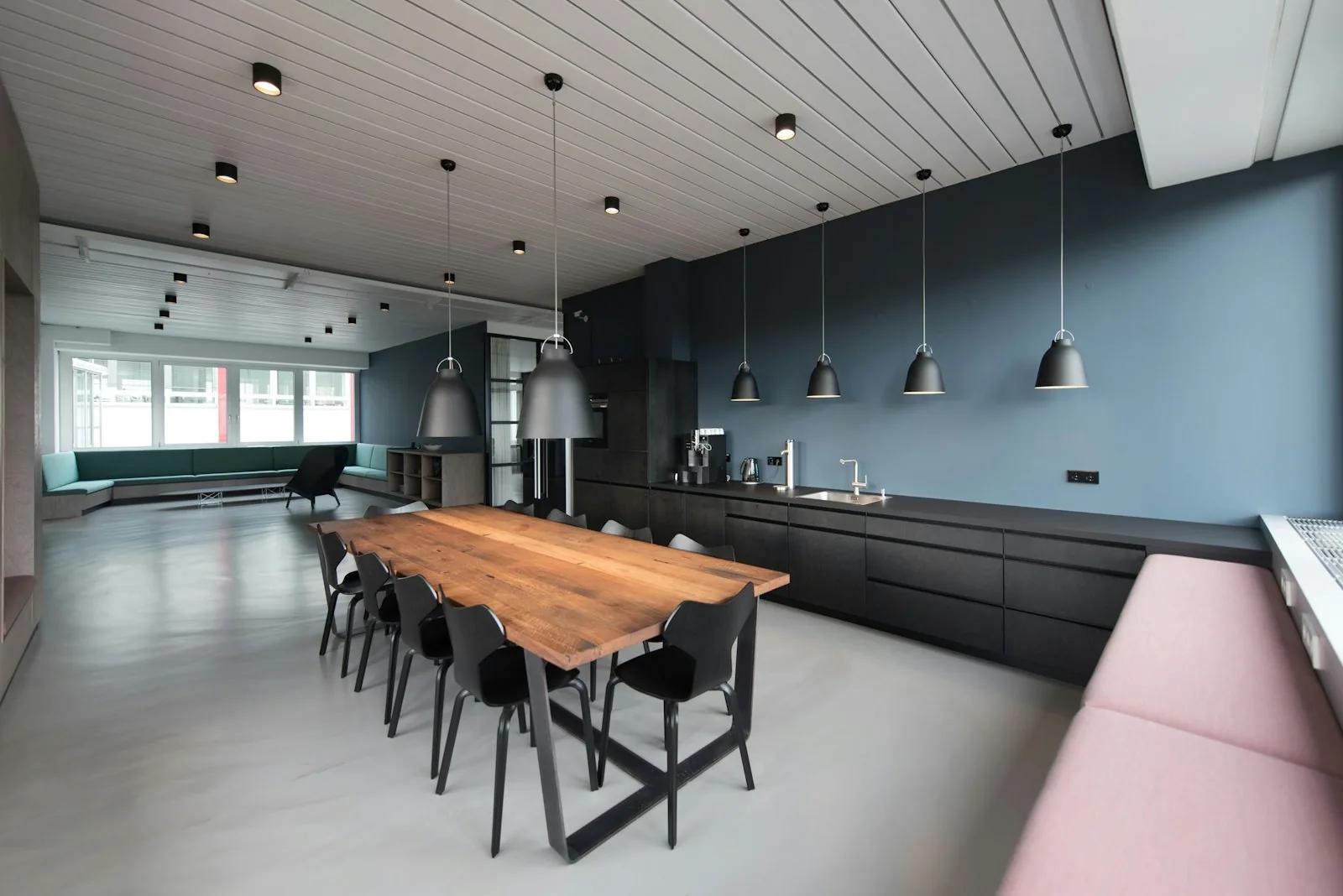
An occupied office, a retail unit and an empty property between tenants need different approaches. Describe how people use the building before choosing a package or frequency. Include its approximate size, layout, opening hours and the rooms needing attention.
For small businesses, it can help to begin with the areas that create the greatest pressure on staff. Reception shapes a visitor's first impression; restrooms and a shared kitchen may need a different schedule from an occasional meeting room. Explain which responsibilities your own team will retain and which you want included in the proposed work.
Flag restricted rooms, sensitive equipment and belongings that should remain untouched. Tell us who can answer questions during the appointment and who will review the proposal. These details help turn a broad request into something both sides can understand.
Your priorities can change over time. Establish a simple way to request adjustments so an additional room or a new opening schedule can be reviewed before the next visit.
Build a written room-by-room task list
An organized plan brings recurring tasks into a written scope. Start with a room-by-room list showing the areas selected, the work expected and how often each item needs attention. Ultra reviews these details with the property and its current condition before confirming a plan.
Separate tasks that belong at every visit from periodic detail work. A reception counter used throughout the day may need a different arrangement from shelving in a rarely occupied room. Identify access limits and any preparation your staff will complete before arrival.
A thorough brief also defines the finish you expect. Translate words such as spotless or pristine into specific tasks: selected glass panels, visible ledges, accessible furniture or the areas around an entrance. If extra sparkle in reception is a priority, identify the fixtures and panels you want assessed.
The agreed list becomes a reference for reviewing the result. Keep it available alongside the estimate so questions about what was requested can be resolved against the same information.
Office cleaning around the way you work
The right visit window accounts for people as well as rooms. Share when staff arrive, when visitors are expected and which areas must remain available. Explain any client meetings, appointments or quiet working periods that affect access.
For a shared workspace, decide what will be cleared and which items the team may handle. Documents, devices and specialist equipment need clear boundaries. A desk becoming accessible on one occasion does not automatically establish permission to move everything on future visits.
Appoint an employee or another named contact to coordinate entry and respond to questions. Agree how keys, building instructions and any security requirements will be managed. Use the process approved by your organization rather than leaving those arrangements to be improvised at the door.
An agreed access window helps the visit fit the day so people can remain productive. If your hours vary, discuss a flexible window and confirm the available appointment. The team reviews timing with the proposed work before booking.
Prepare for the first visit
Once the proposal is agreed, confirm which rooms will be available and where the team should begin. Identify where supplies can be placed without blocking the shared space. Explain how to handle an area that is locked, occupied or unexpectedly inaccessible. Give the contact enough information to resolve questions about the assignment without requiring staff to guess what was intended.
After the first visit, review the arrangement while the details are fresh. Note any change in access, room use or priorities for discussion. This gives an ongoing plan a useful starting record and helps separate an additional request from something already included in the agreed list.
Restrooms breakrooms and shared touchpoints
These areas need a clear list because their use and supplies can differ from the rest of the premises. Identify fixtures, mirrors, accessible counters and shared touchpoints to be assessed. Describe current buildup and any material-care instructions.
For a toilet area, explain what is included around the fixture and the accessible surfaces nearby. In a breakroom, distinguish counters and sink areas from appliance interiors or cupboards. Additional inside work should be identified when preparing the quote.
Agree who supplies and replenishes toilet paper, soap, towels and replacement liners. Consumables can be handled in different ways, so record the arrangement for your property. The same applies to ordinary bins: identify the collection point and how recycling should be separated.
Keep larger clearance jobs and unusual waste requests distinct from everyday indoor bins. Tell us about them in advance so their suitability and responsibilities can be reviewed. A clear division of duties makes the plan easier for everyone using the building to follow.
What it means to clean and sanitize
Cleaning, sanitizing and disinfecting describe different processes. EPA explains these differences: cleaning removes dirt and organic matter, while sanitizers and disinfectants have their own antimicrobial purposes and label directions. The terms should not be treated as interchangeable promises.
When you ask a provider to clean and sanitize identified areas, specify the locations, intended procedure and any approved-product requirements. Share chemical restrictions and material guidance before the work is agreed. Appropriate product use includes following the label instructions, including any required contact time.
If a healthier work environment is part of your brief, explain the actual tasks and procedures you expect. A general assurance such as hygienic should be translated into defined responsibilities. A routine visit alone does not establish a particular health outcome or predict employee absence.
For premises with specialized protocols, describe them during the initial discussion. Ordinary workplace care should not be assumed to include healthcare, industrial or other specialist capabilities without an individual assessment.
Floor and carpet care for occupied buildings
Start with the material and the areas people use most. Share manufacturer guidance for tile, wood, stone, carpet or other finishes. Identify damaged areas, previous treatments and anything with special restrictions before selecting a method.
Vacuuming and mopping are different from treatment of fabric, upholstery or a difficult mark. Ultra assesses carpet and upholstery requests through its dry shampoo cleaning option, with suitability based on the item, care guidance and condition. Describe the selected areas rather than assuming every part of a room is covered.
If you expect the team to scrub a particular patch of grime, send a photo and explain the concern. Heavy-duty treatment requires its own assessment of the material and proposed approach. Previous damage or an unknown substance may affect what can reasonably be achieved.
Identify the particular surface and the result you want assessed before agreeing to treatment.
For washing or other wet work, discuss access and any return-to-use guidance relevant to the proposed method. Decide who will move furniture and clear belongings. Those arrangements help the visit fit an occupied building without relying on assumptions about equipment, treatment or drying time.
A one-time deep clean or recurring upkeep
A detailed initial visit and ongoing upkeep can involve different task lists. Explain whether you are addressing accumulated buildup, preparing for a handover or looking for help with repeated chores. The starting condition matters when deciding what to quote.
For recurring visits, list the areas that need attention most often and the details that can be considered periodically. An entrance used all day may need a different arrangement from an occasional conference room. Adjust the proposal around actual occupancy and use.
Discuss daily, weekly or less frequent preferences with the team. Availability and the final arrangement are confirmed before booking. A requested frequency is a starting point for the conversation, and changes can be assessed as the building's needs develop.
Keep a short record of items that recur between visits. Repeated concerns may indicate that the task list, access arrangements or frequency needs another look. Reviewing those details provides a practical basis for improving the arrangement rather than simply repeating the same request.
Seasonal maintenance for entrances
Entrances can need different attention as outdoor conditions change. Tracked-in mud, grit and moisture affect the work requested around doors and walkways. Tell the team about the materials involved and the condition you want assessed.
Identify the high-traffic routes through the property. A main doorway, a staff entrance and a lightly used side room may need different priorities. Discuss mats and the areas staff or another provider will handle so responsibilities remain clear.
An update can be focused on selected areas. You may want entrance work reviewed after a busy period while keeping the rest of the plan consistent. Explain the change before the appointment so any additional tasks can be considered with access and timing.
For an unusual accumulation of soil or other residue, share photos and relevant history. The aim is to identify the actual work and suitable approach, not assume every condition can be addressed during an unchanged visit.
Post-construction cleaning after building work
After a build or renovation, explain which rooms are ready for attention and which trades are still working. Include the project stage, proposed handover date and the areas you want assessed. Settled dust and accessible finishes need to be considered alongside site readiness.
Share installer instructions for new materials and describe paint marks, adhesive or unfamiliar residue before the visit. The appropriate approach depends on the material and condition. Specific concerns should be reviewed rather than included in a general promise to restore every finish.
Identify who will remove larger debris, packaging and stored materials. Confirm that the agreed areas can be accessed and that necessary utilities will be available. If a prime contractor coordinates the project, establish who releases rooms for this stage and reviews the completed tasks.
Further trade work can change the sequence. Discuss whether a separately quoted finishing visit would be appropriate if contractors will return. Keep repairs and incomplete installation on the project list so the final review distinguishes them from the work assigned to the team.
Compare proposals by scope and cost
An estimate is useful when it explains what the price covers. Compare the selected rooms, tasks, frequency and access arrangements before deciding between offers. A lower figure may describe a smaller assignment rather than the same work at a different rate.
Approximate area, layout, restroom count, condition and foot traffic can help define the request. Detailed inside work, unusual materials and restricted access may require further discussion. Photos or a walkthrough can clarify points that a simple room count misses.
Customize your brief around the priorities already identified. Ask how additions, a change in condition or an unavailable room would be handled. Confirm whether supplies or consumables are part of the quoted arrangement and what preparation belongs to your staff.
Separate a first detailed visit from any proposed ongoing plan. The two assignments may differ, so ask for the actual price and scope rather than assuming a particular discount. Ultra provides free estimates for the property and work requested.
Before agreeing, keep a copy of the proposal and identify the contact for questions. A shared reference makes later reviews easier and allows decisions about additional work to be made with the details in view.
Choosing an insured provider and building trust
Choose a cleaner whose proposed approach matches the premises and the work. Some teams specialize in particular property types, so describe yours early. Ask what can be assessed and which requests need a separate discussion.
Request current information about insurance and any liability details your organization needs to review. If procurement requires a bond, ask for the relevant documentation. This is a question to resolve with the provider; a general website description should not be used to infer specific coverage or terms.
Read recent customer feedback on the company's website and independent sources such as Yelp, where available. Look for comments relevant to your property type and review the context. Company photographs and a clear explanation of the work can help you decide what to ask next.
In a testimonial published on Ultra's website, Dale T describes Holger and his team as "polite, friendly, respectful." It is one published account to read alongside the company's wider information, not a guarantee of a particular result at another property.
Customer satisfaction is easier to discuss when expectations are concrete. Ask who handles questions and how concerns should be raised. Reliable communication and a shared task list give both sides a useful basis for reviewing the arrangement.
A local contact for your property
Ultra began in 2020 with Holger Loor and Belén Garzón. Our company story introduces the team and its local roots, and the work gallery shows photographs of the people and projects behind the brand.
For services in Fargo and the surrounding metro, send the property address and its access considerations. The team reviews location, travel and availability with the proposed tasks. Contact us before visiting the company base; appointments take place at customer properties.
To hire a suitable team, explain your premises rather than relying on a broad category alone. An ordinary office, a shared unit and a specialized site can raise different questions. The initial conversation helps establish whether the requested work fits the available offering.
Frequently asked questions
What information should I send for an estimate
Provide the address, approximate size, room list, opening hours and priorities. Include photos of areas needing extra attention and any written requirements from a landlord or property manager. Mention restricted access and your preferred timing so the team can assess the request accurately.
Can visits happen outside opening hours
Share the access window you prefer and any building rules that affect entry. The team reviews timing with the work requested and confirms availability before an appointment is booked. An evening or early-morning preference should be discussed rather than assumed.
Is this the same as house cleaning
Ultra's broader residential and commercial cleaning work includes different property needs. Residential cleaning is planned around the home, while a workplace brief accounts for occupancy, access and operational responsibilities. Describe the actual setting so the appropriate tasks and arrangements can be assessed.
Do you supply restroom products
Supplies and replenishment responsibilities are agreed with the quote. Identify the products already on site, any approved brands and who will purchase replacements. Ask about the actual arrangement for your property instead of assuming consumables are included in the price.
Can I combine regular upkeep with additional detail work
Yes, you can request both for assessment. Identify the tasks you want repeated and the extras needing separate attention. Their suitability, timing and cost are confirmed as part of the proposal, so both sides understand the assignment before scheduling.
Can I ask about several locations at once
Describe each facility separately, with its address, contact, access hours and task list. Explain whether you want the same proposed arrangement at every location or different priorities for each. The team can then review the request and discuss what is feasible, rather than treating distinct premises as one identical job.
How should I review a completed visit
Use the agreed list and start with the rooms and priorities identified in your brief. Describe any concern specifically and contact the team. Keep damaged materials and outstanding repairs distinct from the tasks assigned so the discussion focuses on the actual request.
Does an inquiry confirm an appointment
No. An inquiry starts a discussion about the property, scope, price and availability. Your preferred date remains a request until the team confirms the arrangement. You can review the estimate and ask questions before deciding to proceed.
Request your workplace estimate
Tell Ultra what would make the biggest difference to your premises. Share the location, approximate size, operating hours and the areas needing attention, then add any helpful photos or written requirements. We will discuss the work and provide a free estimate before you decide to schedule.
For cleaning in Fargo, ND, request a free estimate through the website or call (218) 790-1514. We can review your priorities, explain the next steps and discuss a practical plan for your property.